South Africa National Cricket Team Vs England Cricket Team Stats
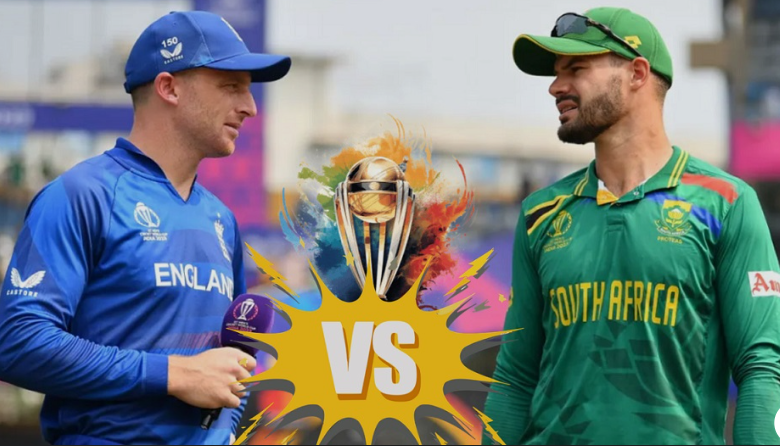
Table of Contents
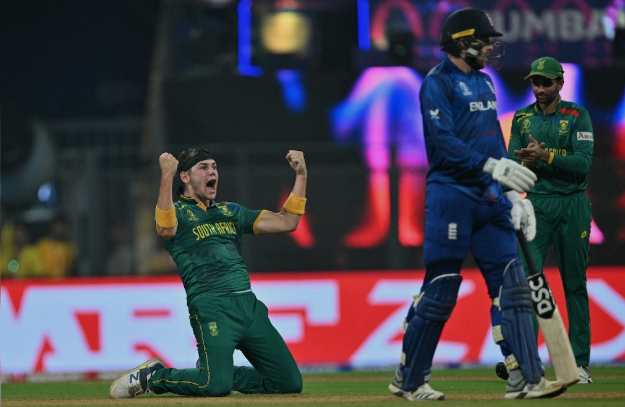
The cricket rivalry between the two sides has grown into one of the most competitive contests in international cricket history. From early Test matches to modern limited overs clashes, every encounter has carried intensity, tactical depth, and emotional weight. The journey reflects contrasting cricket philosophies, where disciplined structure meets explosive pace and fearless batting. Over decades, matches have produced dramatic scorecards, unforgettable performances, and shifting momentum that kept fans engaged worldwide. Conditions, pressure moments, and individual brilliance have all played a role in shaping outcomes. This rivalry continues to evolve, offering fresh chapters in every new series played across formats.
Recent Matches Table
| Date | Format | Venue | Winner | Margin | Score 1 | Score 2 |
| 12 September 2025 | T20I | Manchester | England | 146 runs | England 304/2 | South Africa 158 |
| 10 September 2025 | T20I | Cardiff | South Africa | 14 runs | South Africa 97/5 | England 54/5 |
| 7 September 2025 | ODI | Southampton | England | 342 runs | England 414/5 | South Africa 72 |
| 4 September 2025 | ODI | London | South Africa | 5 runs | South Africa 330/8 | England 325/9 |
| 2 September 2025 | ODI | Leeds | South Africa | 7 wickets | England 131 | South Africa 137/3 |
| 1 March 2025 | ODI | Karachi | South Africa | 7 wickets | England 179 | South Africa 181/3 |
| 21 June 2024 | T20I | Gros Islet | South Africa | 7 runs | South Africa 163/6 | England 156/6 |
Team Statistics Summary Table
| Metric | Test Matches | ODI Matches | T20I Matches | Overall Total | South Africa Best | England Best |
| Total Played | 156 | 74 | 27 | 257 | 156 | 156 |
| South Africa Wins | 35 | 38 | 13 | 86 | 38 | 35 |
| England Wins | 65 | 31 | 13 | 109 | 31 | 65 |
| Matches Drawn | 56 | 0 | 0 | 56 | 56 | 56 |
| Matches Tied | 0 | 1 | 0 | 1 | 1 | 0 |
| No Result | 0 | 4 | 1 | 5 | 4 | 1 |
| Highest Score | 682/6d | 414/5 | 304/2 | 682/6d | 682/6d | 654/5 |
Individual Batting Records Table
| Player | Team | Matches | Innings | Total Runs | Highest Score | Strike Rate |
| Jos Buttler | England | 32 | 30 | 682 | 131 | 118.42 |
| Aiden Markram | South Africa | 24 | 24 | 528 | 88 | 104.51 |
| Rassie van der Dussen | South Africa | 18 | 17 | 514 | 134 | 98.65 |
| Heinrich Klaasen | South Africa | 15 | 14 | 402 | 109 | 142.04 |
| Reeza Hendricks | South Africa | 14 | 14 | 338 | 74 | 131.25 |
| Philip Salt | England | 11 | 11 | 315 | 141 | 165.78 |
| Quinton de Kock | South Africa | 12 | 12 | 295 | 88 | 112.30 |
Individual Bowling Records Table
| Player | Team | Matches | Overs | Maidens | Wickets | Best Bowling |
| Adil Rashid | England | 35 | 242.1 | 4 | 25 | 4/35 |
| Jofra Archer | England | 21 | 154.3 | 8 | 23 | 6/40 |
| Keshav Maharaj | South Africa | 28 | 198.0 | 5 | 19 | 4/33 |
| Lungi Ngidi | South Africa | 19 | 122.4 | 2 | 18 | 4/51 |
| Kagiso Rabada | South Africa | 16 | 134.2 | 7 | 16 | 3/43 |
| Sam Curran | England | 18 | 110.5 | 1 | 14 | 3/35 |
| Anrich Nortje | South Africa | 12 | 88.0 | 0 | 12 | 3/56 |
Early Encounters Under Colonial Cricket Roots
The early phase of matches between the two sides was shaped by contrasting cricket cultures and playing conditions. England relied on structured batting and patience, while South Africa depended on raw pace and aggressive bowling bursts. Matches were often dominated by conditions, especially uncovered pitches that made batting difficult for visitors. England usually managed to control innings through partnerships, while South Africa showed early signs of fast bowling strength. These early contests built the foundation of a long competitive journey that later became more balanced and intense.
| Category | England Performance | South Africa Performance | Match Condition |
| Batting Approach | Defensive and structured | Aggressive counter attack | Uncovered pitches |
| Bowling Style | Controlled spin and seam | Raw fast bowling | Variable bounce |
| Match Control | Session dominance | Momentum bursts | Home advantage |
| Overall Result Trend | More wins | Developing phase | Low scoring games |
Test Cricket Establishes Competitive Balance
As Test cricket developed, matches became longer and more tactical. England maintained discipline in batting, while South Africa gradually improved resilience with stronger bowling units. The contests started becoming closer, with fewer one sided results. South Africa began challenging England more effectively at home, especially through pace friendly conditions. England’s experience helped them survive pressure moments, but South Africa’s intensity kept games competitive until late stages.
| Category | England Strength | South Africa Strength | Match Pattern |
| Batting Depth | Experienced lineup | Improving stability | Long innings |
| Bowling Attack | Tactical changes | Seam dominance | Wicket taking spells |
| Match Control | Structured play | Home aggression | Close sessions |
| Result Trend | Slight advantage | Strong home record | Balanced Tests |
Rise of Fast Bowling Dominance Era
This phase was defined by South Africa’s world class pace attack that changed match dynamics completely. Fast bowlers used bounce and movement to trouble England’s batting lineup. Many matches were decided within first two days due to early collapses. England struggled initially but later improved defensive techniques. South Africa’s aggressive bowling created constant pressure, leading to quick wickets and low scoring innings.
| Category | England Response | South Africa Strength | Match Impact |
| Batting Approach | Defensive survival | Aggressive pace attack | Early wickets |
| Bowling Strategy | Controlled seam | High pace aggression | Pressure dominance |
| Pitch Conditions | Difficult overseas | Home bounce advantage | Short innings |
| Match Outcome | Struggles abroad | Home superiority | Fast results |
England Tactical Rebuild and Adaptation Phase
England focused on rebuilding their overseas performance with improved technique and stronger middle order stability. Coaches worked on handling pace and bounce better. Batters learned to rotate strike and survive difficult spells. Fielding and fitness standards improved significantly, helping England stay competitive in long matches. South Africa remained strong at home, but England reduced heavy losses and started competing more consistently.
| Category | England Improvement | South Africa Stability | Match Outcome |
| Batting Style | Adaptive technique | Consistent attack | Balanced games |
| Bowling Strategy | Controlled pace | Strong seam unit | Tight matches |
| Fielding | High improvement | Stable performance | Competitive |
| Overseas Results | Better survival | Home dominance | Mixed results |
World Stage Pressure Matches
In ICC tournaments, pressure played a major role in shaping outcomes. Both teams entered with strong squads but knockout pressure often changed performance levels. South Africa frequently struggled in crucial moments, while England gradually improved decision making under pressure. Matches often shifted dramatically due to partnerships or sudden collapses. Tactical bowling changes and batting order decisions played key roles.
| Category | England Performance | South Africa Performance | Pressure Effect |
| Knockout Matches | Improved execution | Inconsistent finishes | High pressure |
| Batting Response | Controlled aggression | Collapse under pressure | Momentum shifts |
| Bowling Impact | Tactical success | Strong spells | Match swings |
| Tournament Outcome | Better results | Missed opportunities | Emotional factor |
ODI High Scoring Battles
ODI matches introduced faster scoring and aggressive batting styles. England developed deep batting lineups, while South Africa relied on strong opening partnerships. Many matches featured high totals and thrilling chases. Bowlers struggled with limited margins, making death overs crucial. Fielding errors and partnerships often decided results.
| Category | England Strength | South Africa Strength | Match Type |
| Batting Style | Deep lineup | Strong top order | High scoring |
| Chase Ability | Strong finishers | Aggressive starts | Close games |
| Bowling Challenge | Death overs pressure | Pace variation | ODI format |
| Fielding Impact | Improved standards | Sharp fielding | Tight margins |
T20 Explosive Rivalry Phase
T20 cricket brought extreme intensity with quick momentum changes. Both teams adopted aggressive batting strategies and innovative bowling variations. Matches often changed within a few overs. England focused on fearless batting, while South Africa relied on pace variations and power hitters. This format produced highly unpredictable results and thrilling finishes.
| Category | England Strategy | South Africa Strategy | Match Result |
| Batting Approach | Aggressive hitting | Power based batting | Fast scoring |
| Bowling Style | Variations | Pace dominance | Tight overs |
| Momentum Control | Quick acceleration | Sudden breakthroughs | Unstable |
| Match Outcome | Close finishes | Balanced wins | High intensity |
Conclusion
The rivalry stands as a symbol of cricket evolution, showcasing how both teams adapted across generations to changing formats and challenges. What began as uneven contests has transformed into a balanced and unpredictable battle filled with iconic moments. From Test match endurance battles to high voltage limited overs thrillers, every format has contributed to its legacy. Player performances, tactical innovations, and pressure situations have defined its history. Today, this matchup remains one of the most respected and closely followed contests, continuing to deliver excitement, competition, and world class cricket that reflects the true spirit of the game.










Post Comment