Pakistan National Cricket Team vs New Zealand National Cricket Team Stats
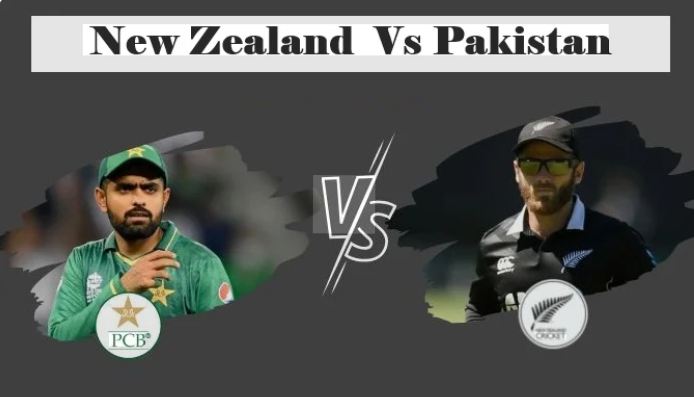
Table of Contents
The rivalry between the Pakistan National Cricket Team and the New Zealand National Cricket Team is known for its unpredictability, tactical depth, and high-pressure encounters. Both teams have consistently delivered competitive performances across formats, blending skill, discipline, and resilience. Their clashes in bilateral series and ICC tournaments have produced memorable moments, showcasing a balance between Pakistan’s flair and New Zealand’s consistency.
Latest Matches
| Tournament | Venue | Date | Pakistan Score | New Zealand Score | Result | Series |
| ICC Men’s T20 World Cup (Super Eights) | R Premadasa Stadium, Colombo | Feb 21, 2026 | N/A (abandoned) | N/A (abandoned) | No result (abandoned with toss) | T20 World Cup |
| Bilateral ODI | Mount Maunganui | Apr 5, 2025 | 221 (40/42 overs) | 264/8 (40/42 overs) | New Zealand won by 43 runs | Pakistan tour of New Zealand ODI |
| Bilateral ODI | Hamilton | Apr 2, 2025 | 208 (41.2/50 overs) | 292/8 (50 overs) | New Zealand won by 84 runs | Pakistan tour of New Zealand ODI |
| Bilateral ODI | New Zealand (venue details) | Mar 29, 2025 | 271 (44.1/50 overs) | 344/9 (50 overs) | New Zealand won by 73 runs | Pakistan tour of New Zealand ODI |
| Bilateral T20I | Wellington | Mar 26, 2025 | N/A | N/A | New Zealand won by 8 wickets | Pakistan tour of New Zealand T20I |
| Bilateral T20I | Mount Maunganui | Mar 23, 2025 | 105 (16.2 overs) | 220/6 (20 overs) | New Zealand won by 115 runs | Pakistan tour of New Zealand T20I |
| Bilateral T20I | Eden Park, Auckland | Mar 21, 2025 | 207/1 (16 overs) | 204 (19.5 overs) | Pakistan won by 9 wickets | Pakistan tour of New Zealand T20I |
| Bilateral T20I | University Oval, Dunedin | Mar 18, 2025 | 135/9 (15 overs) | 137/5 (13.1 overs) | New Zealand won by 5 wickets | Pakistan tour of New Zealand T20I |
| Bilateral T20I | Hagley Oval, Christchurch | Mar 16, 2025 | 91 (18.4 overs) | 92/1 (10.1 overs) | New Zealand won by 9 wickets | Pakistan tour of New Zealand T20I |
| Bilateral T20I | Gaddafi Stadium, Lahore | Apr 27, 2024 | N/A | N/A | Pakistan won by 9 runs | Bilateral T20I |
| Bilateral T20I | Gaddafi Stadium, Lahore | Apr 25, 2024 | N/A | N/A | New Zealand won by 4 runs | Bilateral T20I |
| Bilateral T20I | Rawalpindi Cricket Stadium | Apr 21, 2024 | N/A | N/A | New Zealand won by 7 wickets | Bilateral T20I |
Head-to-Head Record Table
| Format | Matches Played | Pakistan Wins | New Zealand Wins | Draws / Ties / No Result | First Match Year |
| Test | 62 | 25 | 14 | 23 Draws | 1955 |
| ODI | 122 | 61 | 57 | 1 Tie + 3 NR | 1973 |
| T20I | 50 | 24 | 23 | 0 Ties + 3 NR (approx) | 2007 |
| Overall | 234 | 110 | 94 | 30 | – |
Format-wise Performance Comparison
| Format | Pakistan Avg 1st Innings Score | New Zealand Avg 1st Innings Score | Pakistan Win % (when batting 1st) | New Zealand Win % (when batting 1st) | Notable Trend |
| Test | ~320-350 | ~300-330 | ~40% | ~23% | Draws common in subcontinent |
| ODI | ~240-260 | ~230-250 | ~52% | ~48% | Close contests, high chases |
| T20I | ~156-165 | ~148-155 | ~56% | ~44% | Pakistan stronger in chases lately |
Top Batting Performers in Rivalry
| Rank | Player | Team | Runs Scored | Matches | Highest Score | Average (approx) | Strike Rate (T20/ODI focus) |
| 1 | Babar Azam | PAK | ~880+ | 25+ | 101+ | 45+ | 130+ (T20) |
| 2 | Mohammad Rizwan | PAK | ~689+ | 20+ | 88+ | 40+ | 135+ |
| 3 | Kane Williamson | NZ | ~667+ | 20+ | 100+ | 45+ | Steady anchor |
| 4 | Mohammad Hafeez | PAK | ~563+ | 18+ (T20 focus) | 99* | 35+ | Explosive |
| 5 | Mark Chapman | NZ | ~541+ | 15+ | 132+ | 40+ | Power hitter |
Top Bowling Performers in Rivalry
| Rank | Player | Team | Wickets | Matches | Best Figures | Economy (approx) | Key Strength |
| 1 | Shaheen Shah Afridi | PAK | 30+ (esp T20/ODI) | 20+ | 4/18+ | 7-8 | Swing & death overs |
| 2 | Waqar Younis | PAK | 37+ (ODI focus) | 20+ | 5+ hauls | Low | Reverse swing legend |
| 3 | Wasim Akram | PAK | 35+ (all formats) | 20+ | Devastating | Swing king | |
| 4 | Trent Boult | NZ | 25+ (limited-overs) | 20+ | Yorker master | Death specialist | |
| 5 | Danny Morrison / others | NZ | 20+ | Varies | Economical | Pace attack |
ODI Cricket Battles and Strategic Approach
ODI matches between Pakistan and New Zealand are often closely contested, with both teams bringing unique strengths. Pakistan is known for its dynamic batting and ability to produce match-winning performances under pressure. New Zealand, on the other hand, focuses on structured gameplay and consistency.
Pakistan’s bowling attack, particularly pace, plays a crucial role in restricting opposition scoring. New Zealand counters this with disciplined batting and effective partnerships. Middle overs often determine the flow of the game, where both teams aim to control momentum.
These matches highlight tactical awareness, as captains make key decisions regarding bowling rotations and field placements. The ODI format showcases a balance between aggression and control, making encounters between these teams highly engaging.
| ODI Factor | Pakistan | New Zealand | Impact |
| Batting | Aggressive | Structured | Balanced |
| Bowling | Pace-focused | Balanced | Key strength |
| Strategy | Flexible | Planned | Tactical |
| Match Flow | Unpredictable | Controlled | Competitive |
T20I Encounters and Fast-Paced Cricket
In T20 Internationals, the rivalry becomes even more exciting, with both teams adopting aggressive strategies. Pakistan’s explosive batting lineup and New Zealand’s disciplined approach create thrilling contests.
Pakistan often relies on quick starts and strong finishing to post competitive totals. New Zealand, however, emphasizes adaptability, adjusting its gameplay according to match situations. Bowling in T20Is is critical, with both teams using variations effectively to control scoring.
Fielding also plays a significant role, as both teams maintain high standards. Quick reflexes and athleticism often influence match outcomes. The fast-paced nature of T20 cricket ensures that momentum shifts rapidly, keeping fans engaged.
This format highlights the modern evolution of cricket, where innovation and execution are key to success.
| T20I Aspect | Pakistan | New Zealand | Result |
| Batting | Explosive | Adaptive | High scoring |
| Bowling | Skilled | Tactical | Close games |
| Fielding | Sharp | Excellent | Key factor |
| Match Style | Aggressive | Balanced | Exciting |
ICC Tournaments and High-Pressure Clashes
ICC tournaments have been the stage for some of the most memorable encounters between Pakistan and New Zealand. These matches often carry high stakes, influencing tournament progression and team rankings.
Pakistan has a history of performing strongly in ICC events, often delivering surprising victories. New Zealand, known for its consistency, frequently reaches advanced stages of tournaments through disciplined performances.
The pressure of global competitions brings out intense gameplay from both sides. Pakistan’s unpredictability makes them dangerous opponents, while New Zealand’s calm and calculated approach provides stability.
These clashes reflect the competitive nature of international cricket, where both teams aim to outperform each other on the biggest stage.
| ICC Factor | Pakistan | New Zealand | Outcome |
| Experience | High | Very High | Balanced |
| Pressure Handling | Strong | Excellent | Close contests |
| Performance | Unpredictable | Consistent | Competitive |
| Impact | High | High | Crucial matches |
Bowling Strength and Match Control
Bowling has always been a defining factor in matches between Pakistan and New Zealand. Pakistan is renowned for its pace attack, which can generate swing and bounce, especially in favorable conditions.
New Zealand, meanwhile, relies on a balanced bowling unit that combines pace and spin effectively. Their bowlers focus on accuracy and variations to restrict scoring and take wickets at crucial moments.
Control during the middle overs is essential, as both teams aim to build pressure and force mistakes. Death bowling also plays a critical role, with both sides emphasizing precision and execution.
The contrast in bowling styles creates an interesting dynamic, where strategy and adaptability often determine the outcome.
| Bowling Aspect | Pakistan | New Zealand | Impact |
| Pace | Very Strong | Strong | Key weapon |
| Spin | Effective | Balanced | Support role |
| Control | High | Very High | Pressure |
| Variations | Skilled | Tactical | Wickets |
Batting Depth and Run-Scoring Patterns
Batting depth is a key strength for both Pakistan and New Zealand. Pakistan’s lineup is known for its ability to produce match-winning innings, often relying on individual brilliance. New Zealand, however, emphasizes teamwork and partnerships.
Pakistan’s approach is often aggressive, aiming to dominate bowlers and score quickly. New Zealand focuses on building innings steadily and accelerating in the later stages. This difference in approach creates engaging contests.
Run-scoring patterns vary depending on conditions, but both teams prioritize key phases such as powerplays and death overs. The ability to adapt to different match situations is crucial for success.
These contrasting styles make their encounters unpredictable and exciting, as each team looks to impose its strengths.
| Batting Factor | Pakistan | New Zealand | Result |
| Approach | Aggressive | Steady | Balanced |
| Partnerships | Variable | Strong | Stability |
| Acceleration | Explosive | Controlled | Key phase |
| Adaptability | Good | Excellent | Competitive edge |
Trends and Statistical Insights
The rivalry between Pakistan and New Zealand reflects the evolution of modern cricket. Both teams have consistently performed at a high level, adapting to changing formats and strategies.
One key trend is New Zealand’s consistency across formats, making them one of the most reliable teams in international cricket. Pakistan’s unpredictability, meanwhile, adds excitement and uncertainty to every match.
Another important observation is the impact of conditions. Swing-friendly pitches often favor Pakistan’s pace attack, while balanced conditions suit New Zealand’s all-round approach.
These trends highlight the competitive nature of this rivalry, where both teams continue to evolve and challenge each other.
| Trend | Observation | Impact |
| Playing Style | Aggressive vs Balanced | Engaging |
| Consistency | NZ strong | Stable performance |
| Unpredictability | Pakistan high | Excitement |
| Conditions | Influential | Match results |
Conclusion
The Pakistan National Cricket Team and the New Zealand National Cricket Team share a rivalry defined by balance, unpredictability, and high-quality cricket. With contrasting styles and consistent performances, both teams continue to produce thrilling encounters across formats. Their matches not only entertain fans but also reflect the strategic depth and evolving nature of international cricket, making this rivalry one of the most compelling in the modern game.













Post Comment